
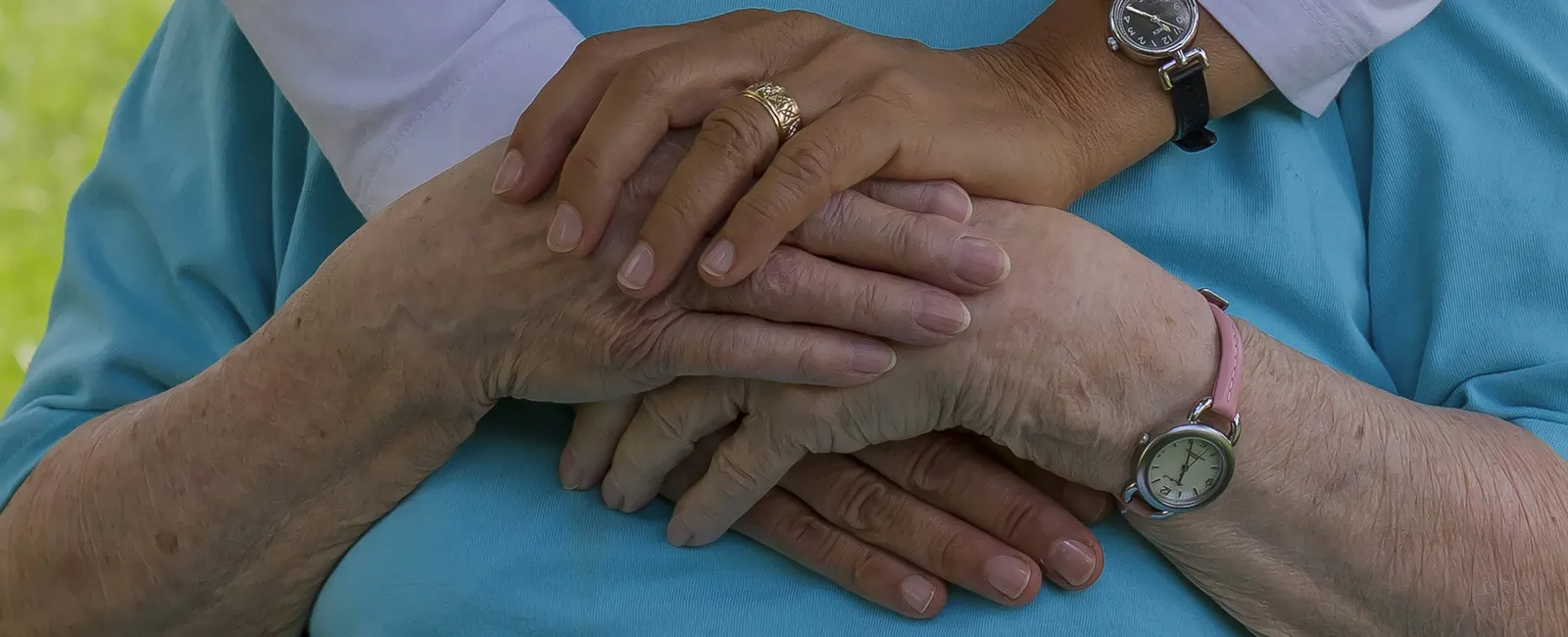
What Are the Signs of Caregiver Burnout? (And What to Do About It)
If you're caring for a parent, spouse, or loved one, you probably didn't sign up for this role with a full playbook. Most people just step in and figure it out as they go.
And for a while, you might feel like you've got it handled. You're showing up. You're helping. You're doing what needs to be done.
But over time, something starts to shift.
You feel more tired than usual. More irritable. Less like yourself.
If that sounds familiar, you're not alone. And more importantly, you're not failing. You may be experiencing caregiver burnout. Today we break down what this is, how to recgonize the symptoms of it, and options for families to overcome it (such as Respite Care).
Table of Contents
- What Is Caregiver Burnout?
- Why Caregiver Burnout Happens
- Common Signs of Caregiver Burnout
- Quick Breakdown of Symptoms
- What To Do If You're Feeling Burned Out
- How Home Care Can Help
- FAQs
What Is Caregiver Burnout?
Caregiver burnout is a state of emotional, physical, and mental exhaustion that comes from consistently caring for someone else without enough support.
It doesn't happen overnight. It builds slowly.
One missed night of sleep turns into weeks of exhaustion. A stressful day turns into constant pressure. And before you know it, you're running on empty.
Here's the tricky part. A lot of caregivers don't even realize it's happening. They just think, "I'm tired" or "This is just part of it."
But burnout is more than being tired. It's a signal that something needs to change.
Why Caregiver Burnout Happens
Most family caregivers are balancing more than just caregiving. They're working jobs. Raising kids. Managing a household. Trying to stay present in relationships.
Now add helping a loved one with mobility, medications, meals, appointments, and emotional support.
That's a lot for anyone!
Burnout often happens when:
- You feel like you can't step away
- You don't have backup or support
- You're not getting enough rest
- You're carrying emotional weight on your own
It's not about weakness. It's about capacity.
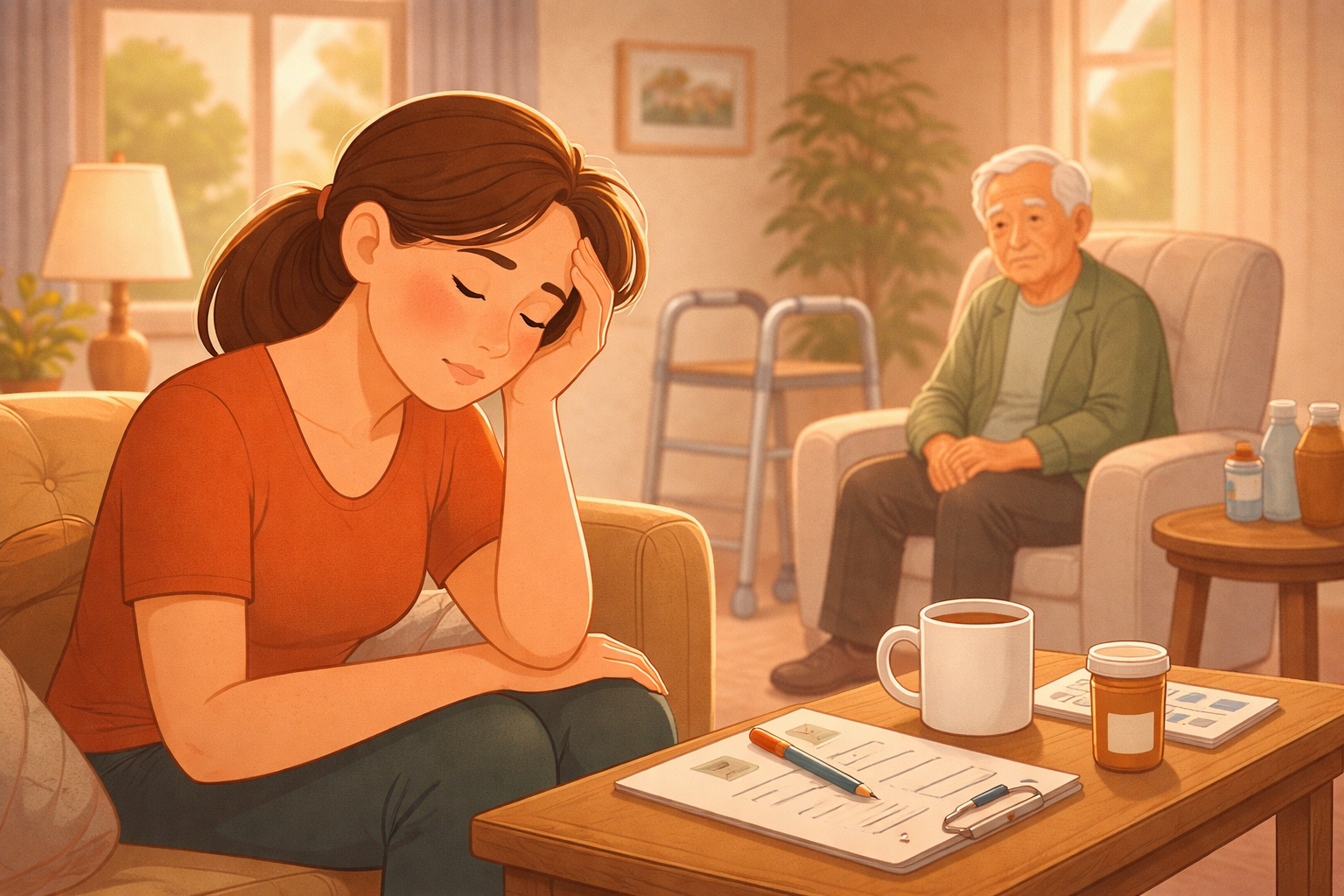
The Most Common Signs of Caregiver Burnout
Let's get practical. What does burnout actually look like in real life?
Emotional Signs
You feel overwhelmed more often than not. Small things start to feel like big things. You may feel frustrated, anxious, or even numb.
Physical Exhaustion
This isn't just being tired. It's the kind of fatigue that doesn't go away with one good night of sleep. Your body feels run down.
Increased Irritability
You might notice you're snapping more easily or feeling impatient, even with the person you care about.
Withdrawal from Others
You stop reaching out. You cancel plans. It just feels easier to stay in and keep going.
Changes in Sleep or Appetite
Either you're not sleeping enough, or you're sleeping all the time. Eating habits can shift too.
Feeling Guilty or Not "Good Enough"
This one hits hard. Many caregivers feel like they should be doing more, even when they're already stretched thin.
Read More: Balancing Work & Caregiving as a Caregiver
Quick Breakdown of Caregiver Burnout Symptoms
| Type of Symptom | What It Looks Like | Why It Matters |
|---|---|---|
| Emotional | Overwhelm, anxiety, mood swings | Affects patience and decision making |
| Physical | Fatigue, headaches, low energy | Impacts your ability to provide care safely |
| Behavioral | Isolation, irritability, withdrawal | Strains relationships |
| Mental | Brain fog, forgetfulness | Increases risk of mistakes |
| Emotional Guilt | Feeling like you're not doing enough | Leads to burnout cycle continuing |
What To Do If You're Feeling Burnt Out
Here's the part most articles skip: what do you actually do about it?
Start small.
Acknowledge it. You're allowed to say, "This is a lot." That's not quitting. That's being honest.
Then look for ways to create breathing room.
That might mean asking a family member for help, taking a few hours for yourself, and/or bringing in professional support. You don't have to carry this alone!
How Home Care Can Help
This is where many families find real relief. Professional caregivers can step in to handle daily tasks, provide companionship, and give you time to rest, work, or just be present in your own life again.
At 4 Seasons Home Care, we often work with families who waited longer than they should have to ask for help.
And almost every time, they say the same thing: "I wish we had done this sooner."
Caregiving doesn't have to be all or nothing. Even a few hours a week can make a huge difference.
Learn About Respite Care Options
FAQs About Caregiver Burnout
How do I know if I'm burned out or just tired?
If rest doesn't really fix it, and you're feeling emotionally drained or overwhelmed consistently, it's likely more than just being tired.
Is caregiver burnout common?
Yes. Very common. Many caregivers experience it at some point, especially without support.
Can burnout affect the person I'm caring for?
It can. When you're exhausted or overwhelmed, it becomes harder to provide consistent, patient care.
What's the fastest way to get relief?
The most immediate relief usually comes from getting support, whether that's family help or professional home care.
Is it selfish to want a break?
Not at all. Taking care of yourself is part of taking care of your loved one.
You're Not Alone - Take Care of Yourself, So You Can Take Care of Others.
If you're feeling stretched thin, overwhelmed, or just not like yourself lately, don't ignore it.
Burnout doesn't mean you're doing something wrong. It usually means you've been doing too much for too long without enough support. You deserve help. And your loved one deserves a caregiver who feels supported too.
If you're in Atlanta and want to explore what support could look like for your family, we're here to talk. Reach out today to learn about options.